Designing an AI Mentor That Feels Human
Designing an AI Mentor That Feels Human
Designing an AI Mentor That Feels Human
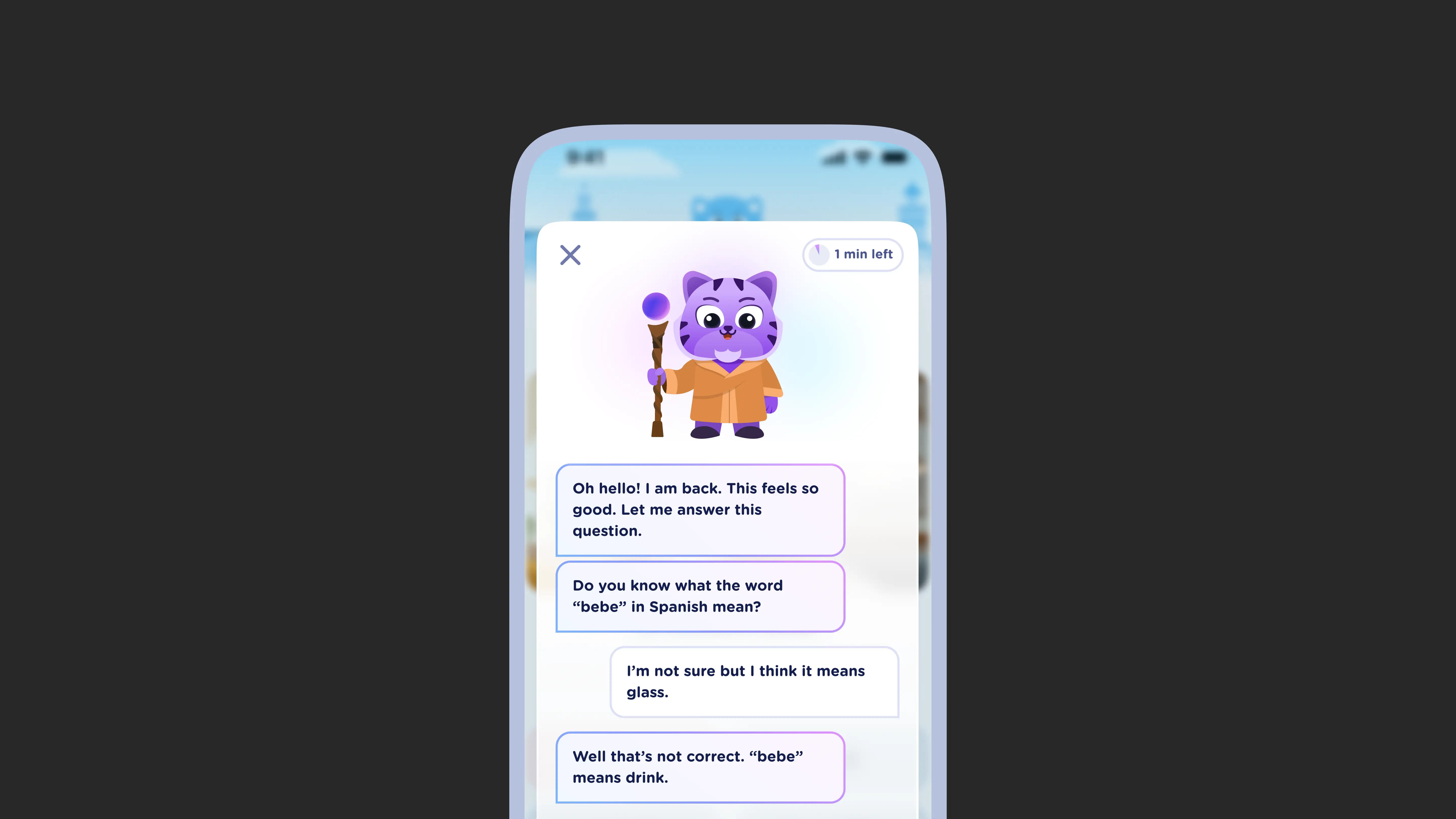
The AI Mentor was conceived as more than a feature, it was designed as a learning companion embedded directly into the user’s flow. From a product design standpoint, the challenge was to make advanced AI feel approachable, non-intrusive, and emotionally supportive. Kai was intentionally positioned as a calm guide rather than an authoritative instructor, appearing contextually during moments of friction such as inactivity, hesitation, or mistakes. This ensured the mentor felt timely and helpful, not overwhelming.
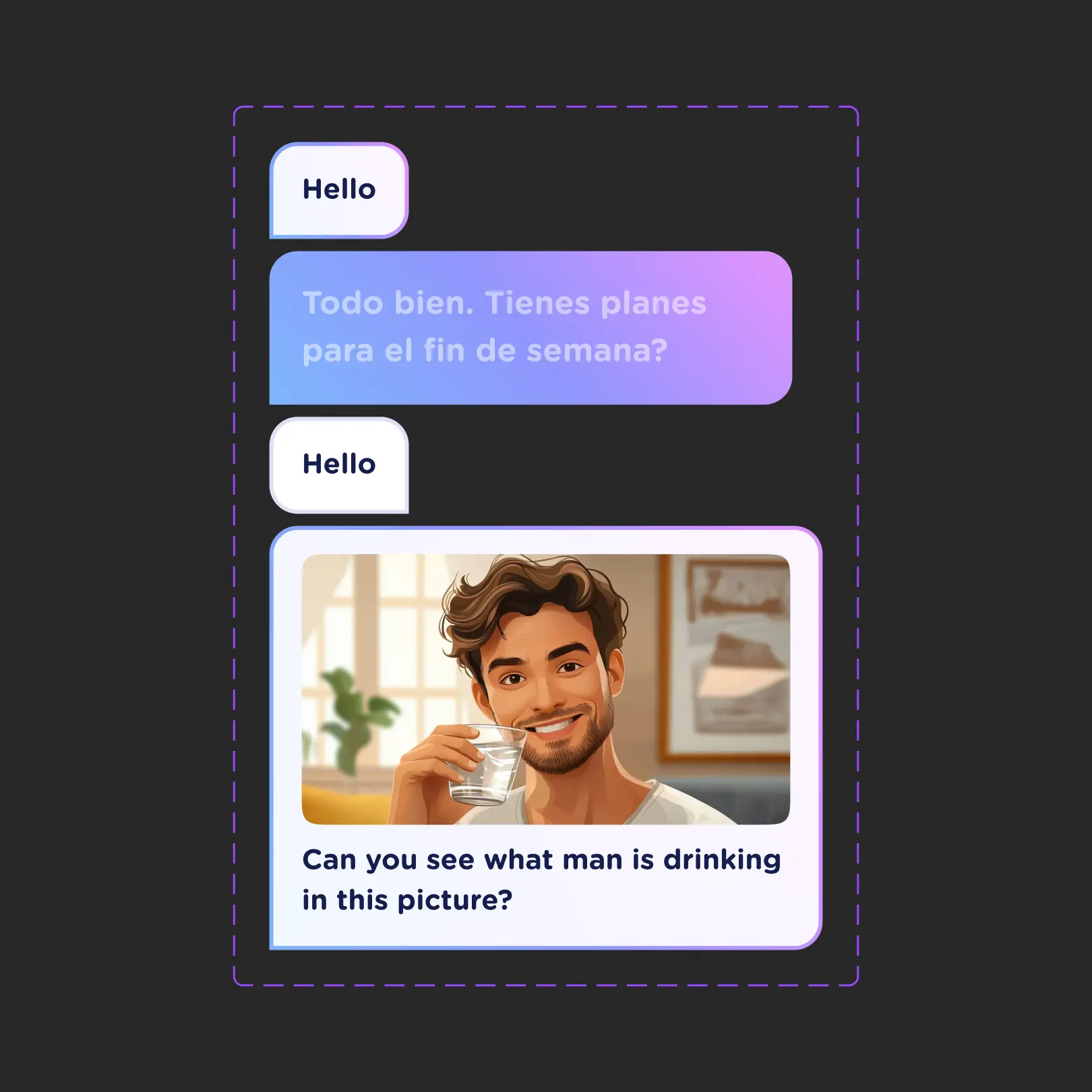
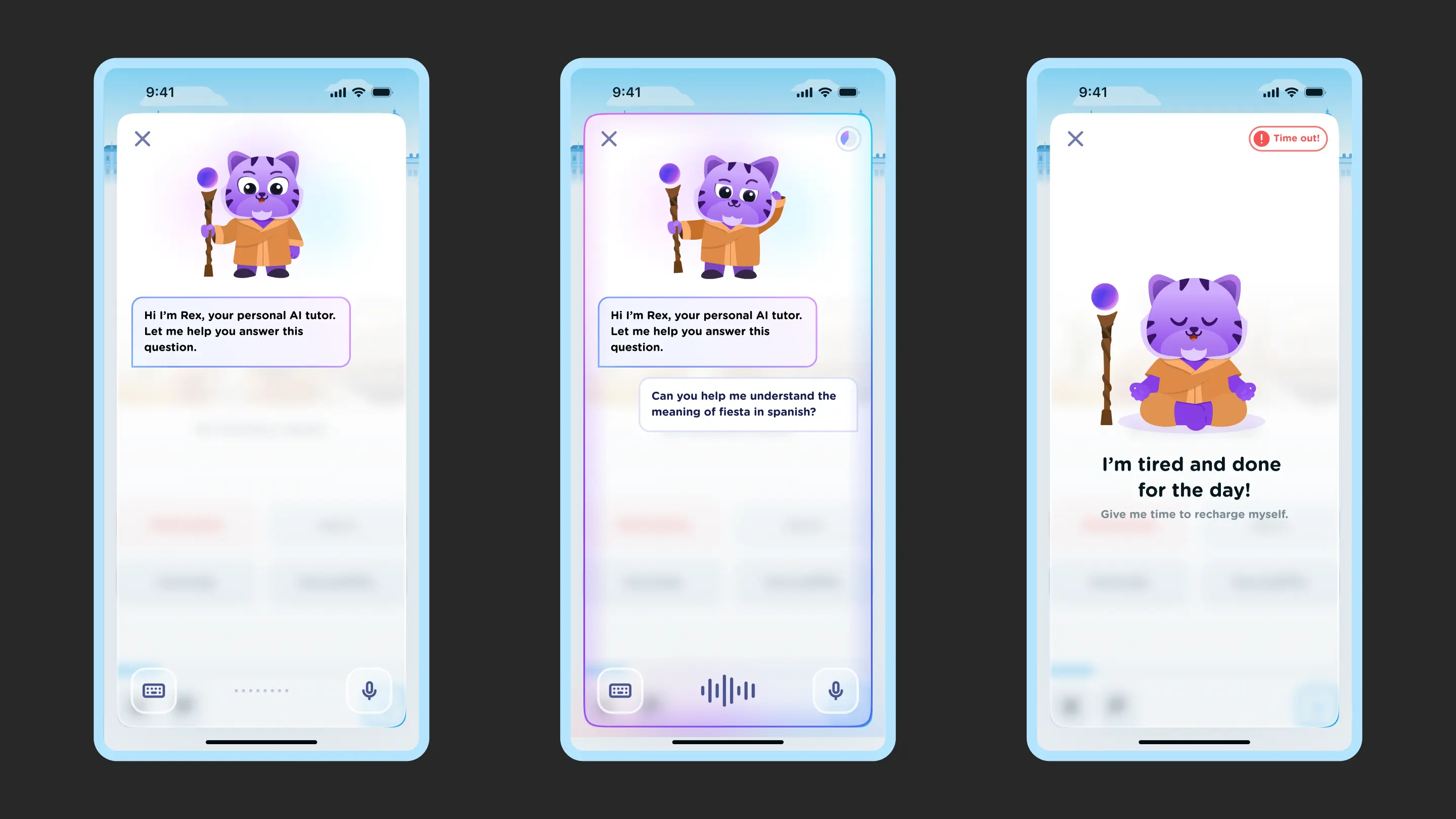
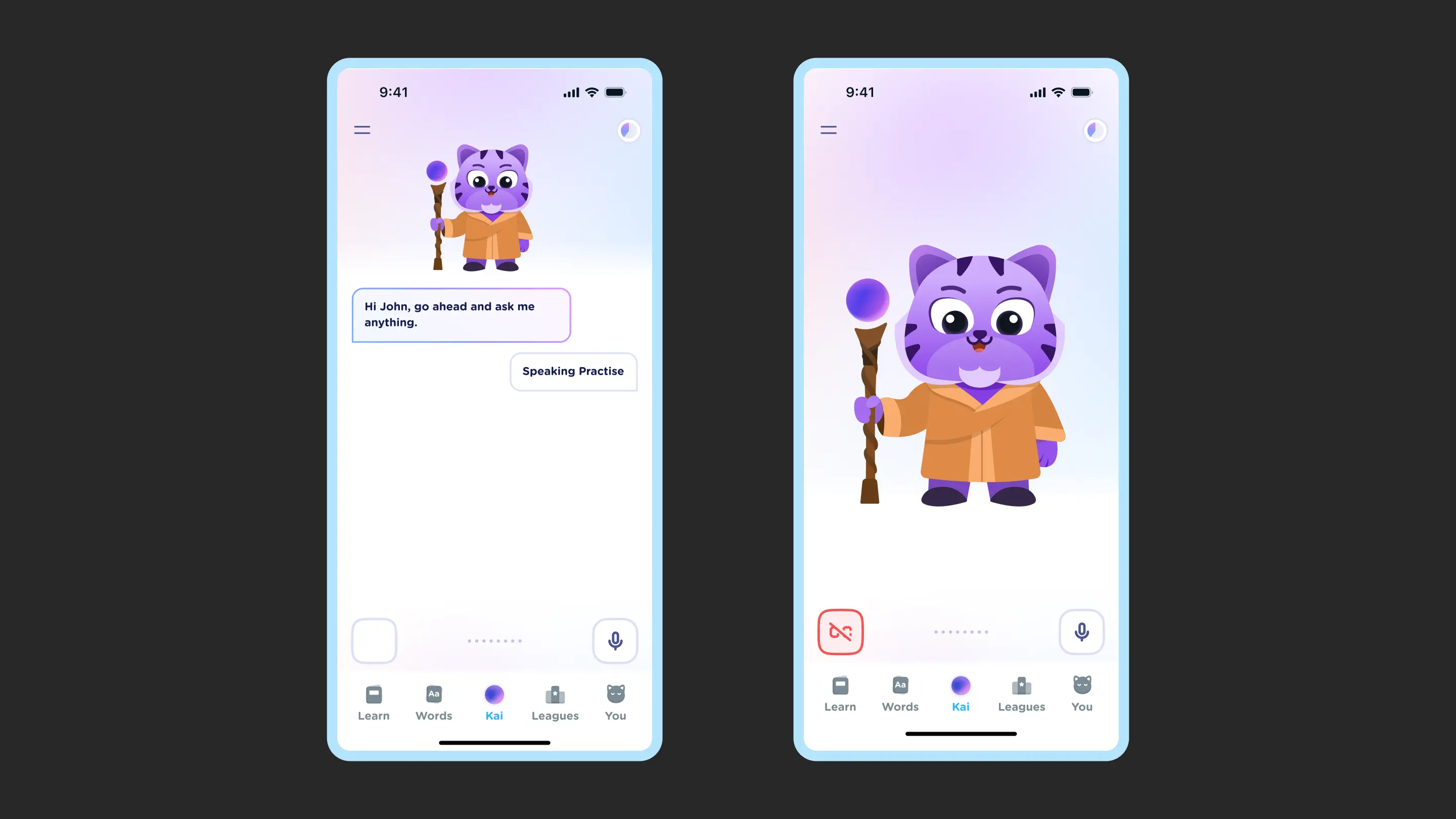
Every interaction was designed around real learning behaviors. The in-lesson activation logic, Magic Tab entry point, and “Ask me anything” flows were carefully orchestrated to minimize cognitive load while maximizing usefulness. The UI adapts based on intent like listening, speaking, revision, or practice so users never have to explain what they need; the system already knows. Feedback states, error handling, and even “exhausted mode” were deliberately designed to respect learner fatigue, reinforcing trust rather than pushing engagement blindly.
The AI Mentor was conceived as more than a feature, it was designed as a learning companion embedded directly into the user’s flow. From a product design standpoint, the challenge was to make advanced AI feel approachable, non-intrusive, and emotionally supportive. Kai was intentionally positioned as a calm guide rather than an authoritative instructor, appearing contextually during moments of friction such as inactivity, hesitation, or mistakes. This ensured the mentor felt timely and helpful, not overwhelming.
Every interaction was designed around real learning behaviors. The in-lesson activation logic, Magic Tab entry point, and “Ask me anything” flows were carefully orchestrated to minimize cognitive load while maximizing usefulness. The UI adapts based on intent like listening, speaking, revision, or practice so users never have to explain what they need; the system already knows. Feedback states, error handling, and even “exhausted mode” were deliberately designed to respect learner fatigue, reinforcing trust rather than pushing engagement blindly.